
Is Chiropractic Safe? What the Research Says and What You Should Know
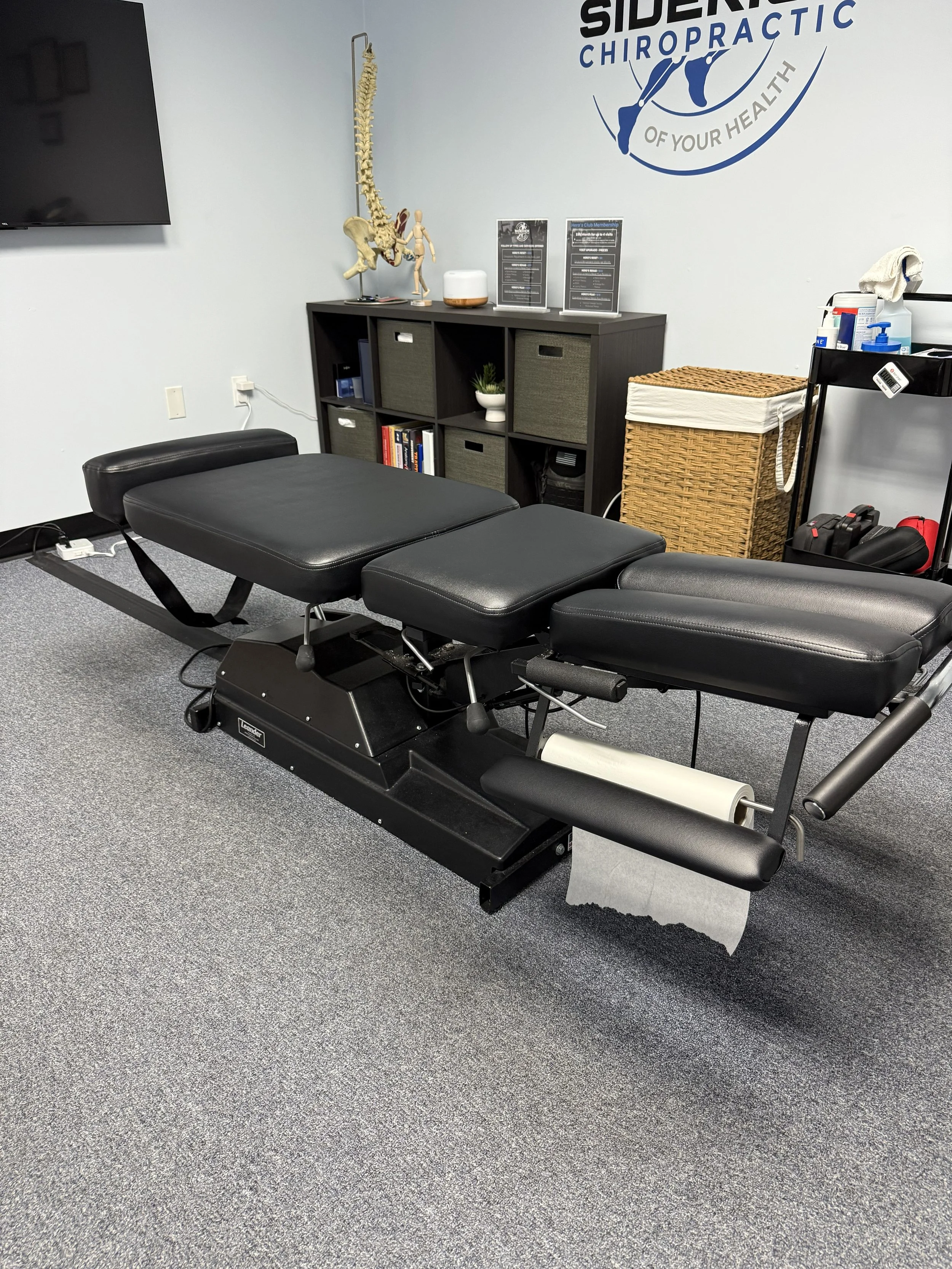
Is Chiropractic Safe?
Short answer: yes, for the vast majority of people, chiropractic care is considered safe when performed by a licensed professional.
But that answer alone usually isn’t enough.
Most people want to know:
What are the risks?
Is it safe for the neck?
What does the research actually say?
So let’s break it down in a way that actually makes sense.
What the Research Says
Chiropractic care, especially for things like low back pain and neck pain, is widely recognized as a safe and effective option.
Many clinical guidelines even recommend it as a first-line approach before more invasive treatments.
Serious complications are extremely rare.
To put it in perspective:
The risk of major complications from spinal manipulation is very low
Everyday activities (even driving) carry a higher level of risk
That doesn’t mean risk is zero, but it does mean it’s much lower than people often assume.
What About Neck Adjustments?
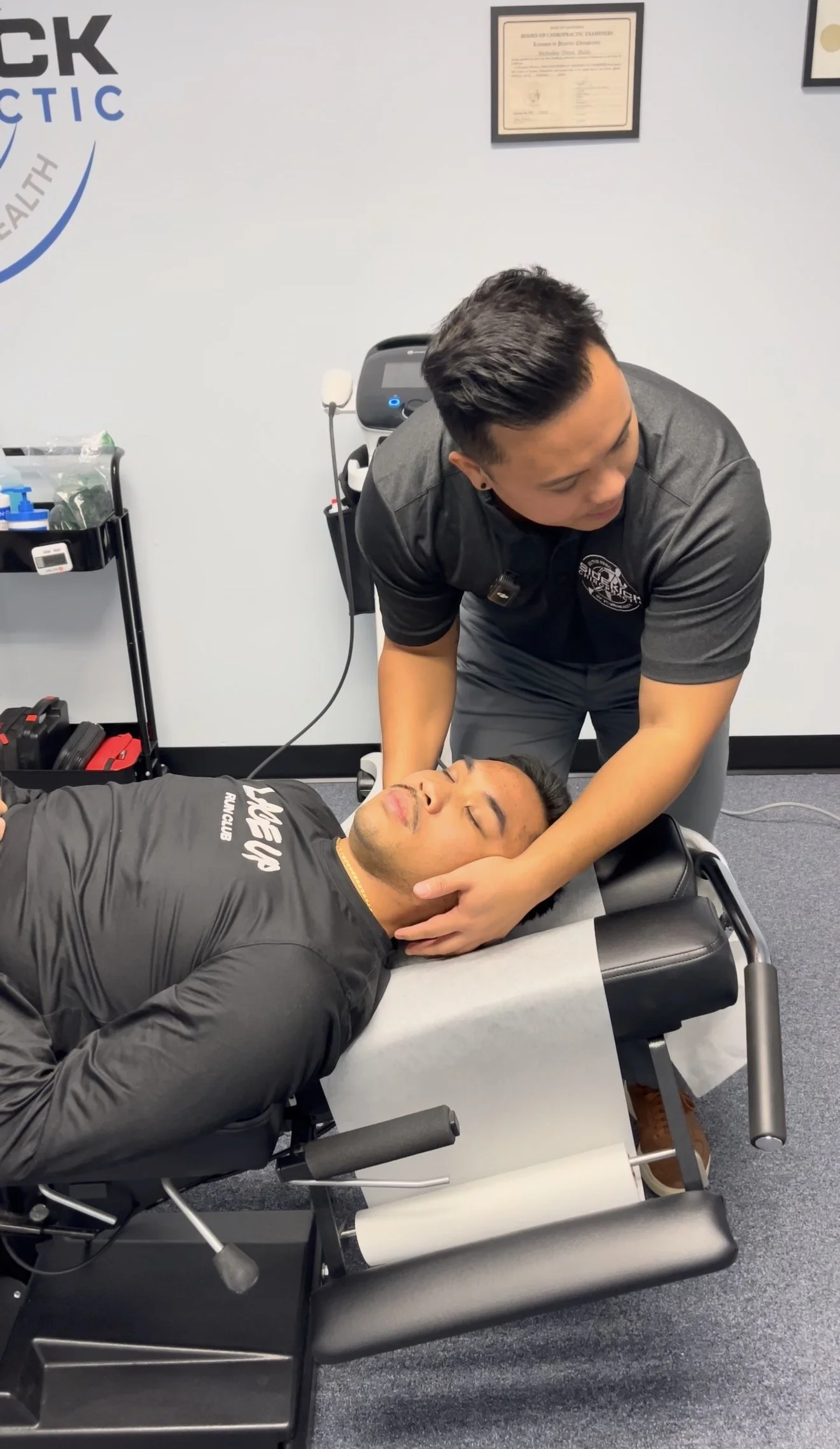
This is where most of the concern comes from.
There’s been a lot of discussion over the years about the risk of stroke related to neck manipulation.
Here’s what’s important to understand:
The condition often associated with this (arterial dissection) is already extremely rare
Many people who experience it are already in the early stages before they ever seek care
Research has not shown a clear cause-and-effect relationship between chiropractic care and these events
In other words, the situation is more complex than it’s often made out to be.
Ernst, E. (2007). Adverse effects of spinal manipulation: a systematic review. Journal of the Royal Society of Medicine, 100(7), 330–338.
Stevinson, C., & Ernst, E. (2002). Risks associated with spinal manipulation. The American Journal of Medicine, 112(7), 566–571.
What You Might Feel After an Adjustment
Most people feel either:
immediate relief
or a sense of improved movement
Some people may feel:
mild soreness (similar to a workout)
temporary stiffness
This usually resolves within 24–48 hours.
When Chiropractic Might Not Be the Right Fit
Good care also means knowing when not to treat.
There are certain situations where chiropractic adjustments may not be appropriate, such as:
fractures
severe instability
certain medical conditions
This is why a proper evaluation always comes first.
How We Approach Safety at Sidekick Chiropractic
At Sidekick Chiropractic, safety isn’t an afterthought. It’s built into the process.
That includes:
a thorough consultation and movement assessment
clear communication about what’s going on
choosing the right techniques based on your body and comfort level
And if something isn’t appropriate to treat, you’ll be told that.
You’re Always in Control
This part matters.
If you’re ever unsure about something, you can ask questions. If you’re not comfortable with a certain approach, there are alternatives.
Care should feel collaborative, not forced.
If You’ve Been Hesitant
A lot of people who come in for the first time had the same concerns.
Once they understand what’s actually happening and experience it for themselves, that hesitation usually goes away pretty quickly.
At Sidekick Chiropractic, the goal is simple:
Help you feel confident, comfortable, and clear about your care.
👉 Book your first visit and see if it’s the right fit for you.
Final Thought
Every form of healthcare has some level of risk.
The key is understanding it clearly and making informed decisions.
For most people, chiropractic care is a safe, effective way to move better and feel better without relying on more invasive options.