
Why Your Body Feels Off Despite Training Well: Understanding RED-S
If you’ve been training harder than ever but feel like your body is quietly pushing back, you aren’t alone. Many endurance athletes experience a gradual decline in well-being that can’t be explained by a simple “bad day.” Often, this is the result of Relative Energy Deficiency in Sport (RED-S), a condition that develops when your fuel tank stays too low for too long to support both your training and your body’s basic day-to-day function.
What Is RED-S, Exactly?

In plain English, RED-S is a syndrome where your body’s systems, like metabolism, immunity, and hormone production, start to struggle because you aren’t eating enough to support the energy you burn during exercise.
Think of your body like a house. If you don’t have enough electricity to run the heater, the lights, and the appliances all at once, something has to give. RED-S is what happens when your body starts flipping breakers just to keep the essentials running.
Why Endurance Athletes Are Uniquely at Risk
Many endurance athletes spend long hours training each week, creating a massive demand for energy. At a certain point, it can become difficult for the human digestive system to consistently absorb enough calories to keep up with that output.
Sometimes this “under-fueling” is intentional, driven by a desire to be leaner for a better power-to-weight ratio. More often, it’s completely unintentional. You simply don’t realize how much more food your body actually needs to recover from those long miles.
Myth Busting: It’s Not Just for Women

You may have heard of the “Female Athlete Triad,” which focused on periods, bone health, and eating habits in women. RED-S replaced that older concept because we now know this syndrome affects both male and female athletes.
While women may lose their menstrual cycle, men can experience significant drops in testosterone. The underlying consequences, including effects on heart health, metabolism, bone density, and mental health, can occur regardless of gender.
Common Signs You Might Be Overlooking
Because RED-S affects almost every system in the body, the early signs are often subtle. You might notice:
Mood swings, increased irritability, or feelings of depression
Poor sleep quality that leaves you feeling unrefreshed
Digestive issues such as bloating, abdominal discomfort, or constipation
Frequent illnesses or colds you just can’t seem to shake
In men, a noticeable drop in libido or morning erections
The Performance Red Flags
For most athletes, performance is where the reality of RED-S finally hits home. When energy availability stays low, your body can’t properly respond to training stress. This often leads to:
Decreased endurance and muscle strength
Slower recovery between sessions because your body can’t rebuild muscle or replenish glycogen efficiently
Impaired judgment or coordination during technical workouts
A frustrating plateau where progress stalls despite increasing training volume
The Connection Endurance Athletes Fear: Bone Stress Injuries
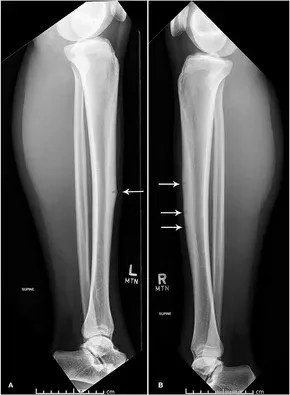
One of the most serious consequences of RED-S is its effect on bone health. Low energy availability is an independent risk factor for impaired bone remodeling.
Without enough energy, your body reduces new bone formation.
Over time, this leads to lower bone mineral density and a higher risk of bone stress injuries or stress fractures, the kind of injuries that can sideline an athlete for months. In many cases, athletes don’t realize RED-S is present until that first high-risk stress fracture occurs.
What to Do If This Sounds Like You
If any of this feels familiar, the first thing to know is this: don’t panic. The goal isn’t to label you or turn your training into a medical problem. It’s to help you feel and perform like yourself again.
When RED-S is suspected, the clinical process is designed to be health-first, not an interrogation or a gotcha moment. In most cases, it follows a simple, stepwise approach:
Screening: This often starts with validated questionnaires, such as the LEAF-Q for women or the LEAM-Q for men, along with a detailed conversation about training load, recovery, nutrition habits, and injury history.
Severity Assessment: Clinicians look at key indicators such as recurring injuries, prolonged fatigue, changes in performance, and, when appropriate, lab markers like thyroid hormones or testosterone. In some cases, bone density testing (DXA) may be used to assess bone health.
Diagnosis and Direction: A sports medicine physician reviews the full picture, rules out other medical causes, and determines whether RED-S is contributing to your symptoms and how aggressive the intervention needs to be.
This is where a sports chiropractor often plays an important role.
As a sports chiropractor, I’m frequently one of the first providers athletes see when something feels “off.” Athletes don’t usually come in saying, “I think I have RED-S.” They come in with persistent aches, slow-healing injuries, declining performance, or a sense that their body just isn’t responding the way it used to.
A sports chiropractor’s role
Things I do on my end:
Identify patterns like recurrent bone stress injuries, stalled recovery, or excessive tissue irritation
Assess how well your joints, muscles, and nervous system are tolerating training stress
Help determine whether what you’re experiencing looks like a local mechanical issue, a training-load issue, or something more systemic
Coordinate with sports medicine physicians, registered dietitians, and mental health professionals when RED-S is suspected
Chiropractic care doesn’t diagnose RED-S, and it doesn’t replace medical or nutritional care. Instead, it acts as a checkpoint in the process. It helps catch problems early, manage symptoms safely, and guide athletes toward the right next steps before issues escalate into long layoffs or serious injuries.
In many cases, under-fueling turns out to be a fixable mismatch rather than a complex medical condition. Small changes in fueling timing, recovery strategies, and training structure can make a meaningful difference when they’re addressed early and collaboratively.
Key Takeaway
You don’t have to figure this out alone, and you don’t need to wait until something breaks to take action.
Getting the right support early is one of the best ways to protect your health, your performance, and your ability to keep doing the sport you love.