
Disc Herniation: Symptoms, Treatment, and When to See a Chiropractor
If you've recently been diagnosed with a disc herniation, you're probably feeling a mix of emotions. Maybe you're worried because your MRI report mentions a disc protrusion, extrusion, or even sequestration. Maybe someone told you that you'll never lift weights again or that surgery is inevitable.
Take a deep breath.
While a disc herniation can certainly be painful, it's important to know that most people recover successfully with conservative treatment and never require surgery. In fact, many people with disc herniations return to running, golfing, lifting weights, and living active, pain-free lives.
The key is understanding what's actually happening inside your spine and following a treatment plan that addresses the root cause of your symptoms rather than simply masking the pain.
In this article, we'll explain what a disc herniation is, the different types of herniations, common symptoms, treatment options, and how chiropractic care can play an important role in your recovery.
What Is an Intervertebral Disc?
Your spine is made up of a series of bones called vertebrae. Between each vertebra sits an intervertebral disc, a specialized structure that acts as a shock absorber and allows your spine to move smoothly.
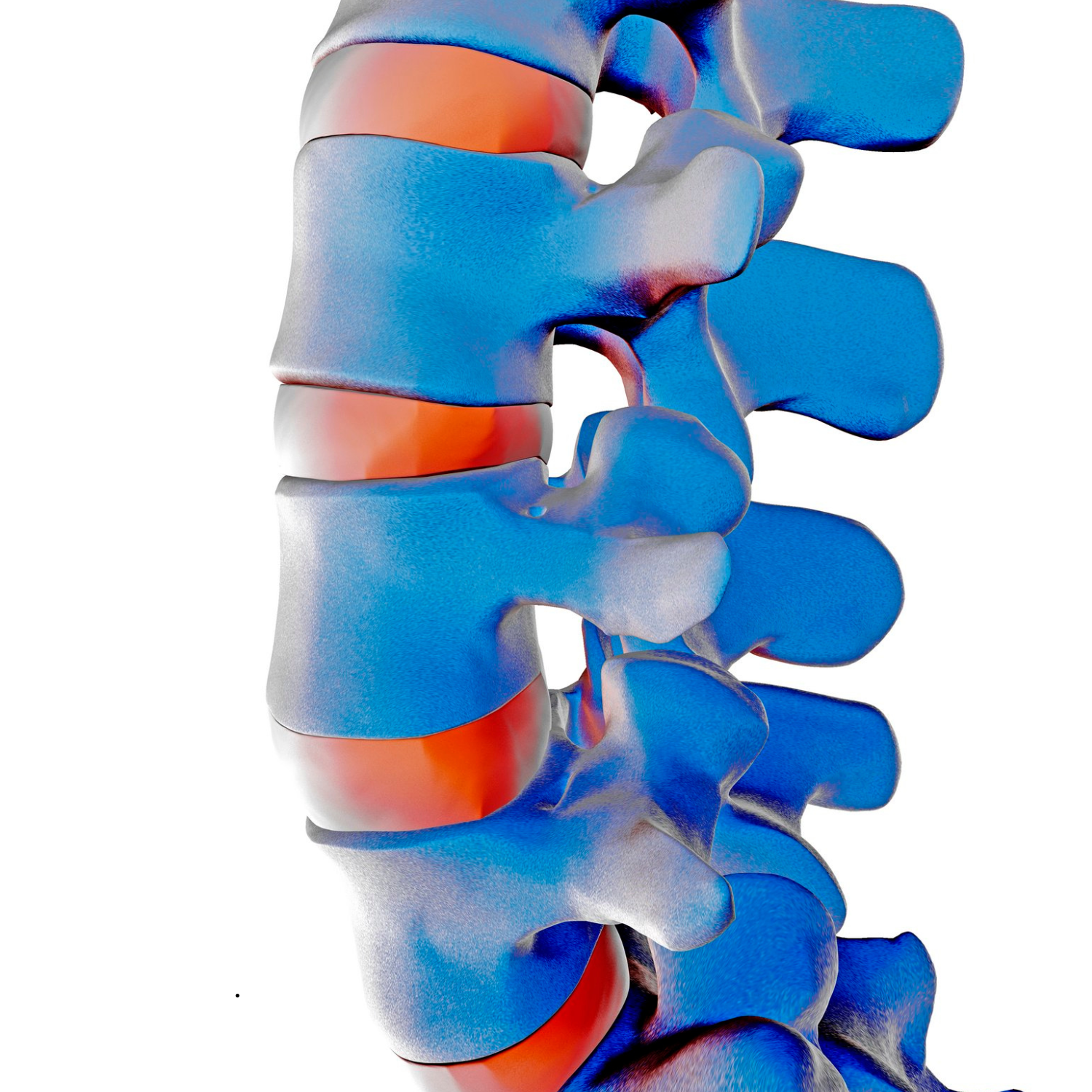
Each disc consists of two main parts:
Annulus fibrosus: A strong outer ring made of layers of collagen fibers.
Nucleus pulposus: A soft, gel-like center that helps absorb compressive forces placed on the spine.
Together, these structures help distribute forces during everyday activities like walking, lifting, bending, and playing sports.
Healthy discs are remarkably strong, but like any tissue in the body, they can become injured over time.
What Is a Disc Herniation?
A disc herniation occurs when the nucleus pulposus extends beyond the normal boundaries of the annulus fibrosus.
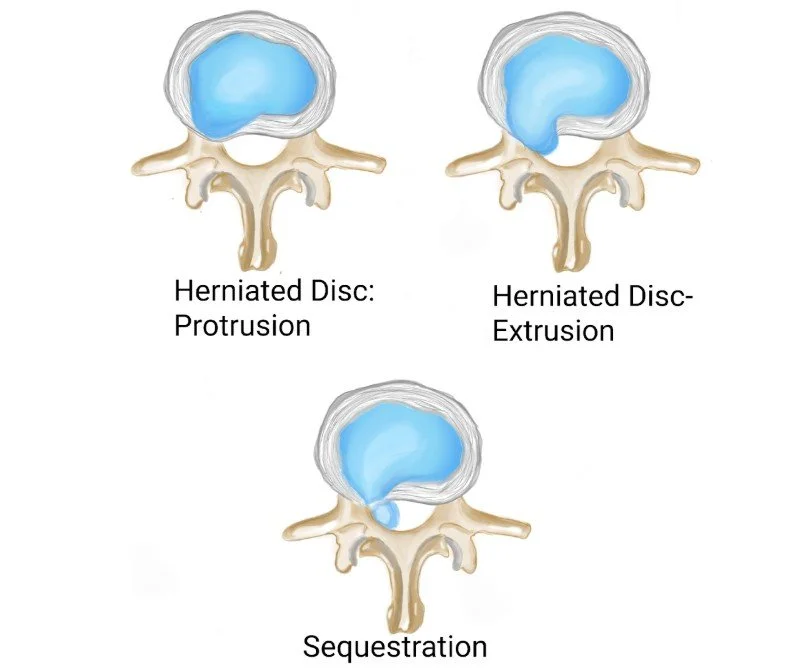
Many people think of a disc herniation as one specific injury, but it's actually a spectrum. The type of herniation depends on how far the disc material has progressed beyond the outer fibers of the disc.
Disc Protrusion
A disc protrusion is generally considered the earliest stage of a disc herniation. The disc begins to extend outward, but the outer layers of the annulus fibrosus remain largely intact.
Disc Extrusion
A disc extrusion occurs when the nucleus pulposus breaks through the annulus fibrosus while remaining connected to the parent disc.
Disc Sequestration
A disc sequestration is the most advanced type of disc herniation. A fragment of the nucleus pulposus completely separates from the parent disc and migrates into the spinal canal.
Although these names can sound intimidating, it's important to remember that the severity of an MRI finding does not always predict the severity of a person's pain or their ability to recover.

Myth vs. Fact:
❌ Myth: "If my MRI says I have a disc extrusion or sequestration, I'll probably need surgery."
✅ Fact: Most disc herniations improve with conservative care. Surgery is typically reserved for specific situations, such as progressive neurological deficits, symptoms of cauda equina syndrome, or persistent symptoms that fail to improve despite appropriate treatment. An MRI finding alone is not a reason to panic.
What Causes a Disc Herniation?
One of the biggest misconceptions about disc herniations is that they're caused by a single movement.
"I bent over to tie my shoe."
"I picked up my backpack."
"I sneezed and threw my back out."
While these events often trigger symptoms, they're rarely the true cause of the injury.
Disc herniations typically develop over time as a result of repeated loading and normal age-related changes. Factors that may contribute include:
Repetitive bending and twisting
Heavy lifting
Prolonged sitting
Participation in sports
Genetics
Smoking
Physical inactivity
Normal aging
Think of it this way: the movement that caused your pain was often the final straw, not the entire story.
Common Symptoms of a Disc Herniation
Symptoms vary depending on where the herniation occurs and whether nearby nerve tissue becomes irritated.
Some of the most common symptoms include:
Low back or neck pain
Pain traveling into the buttock, leg, or arm
Numbness or tingling
Muscle weakness
Pain that worsens with coughing or sneezing
Difficulty sitting for prolonged periods
Stiffness after periods of inactivity
Not everyone experiences all of these symptoms, and some people with significant disc herniations have little to no pain at all.
Your MRI Doesn’t Tell the Whole Story

Receiving an MRI report can be overwhelming. Words like disc protrusion, extrusion, degeneration, or stenosis often sound much more serious than they actually are.
One of the biggest misconceptions about back pain is that the MRI tells us exactly why someone is hurting.
In reality, it's not that simple…
Research has consistently shown that many people with no back pain whatsoever have disc herniations and other degenerative changes visible on MRI. These findings become increasingly common as we age and are often considered a normal part of the aging process.
On the other hand, someone with severe back or leg pain may have only a relatively small disc herniation.
This is why healthcare providers should never treat the MRI alone. Instead, your imaging should be interpreted alongside your medical history, physical examination, neurological findings, and symptoms.
An MRI is an incredibly valuable tool, but it's only one piece of the puzzle.
Myth vs. Fact:
❌ Myth: "My MRI shows a large disc herniation, so my back must be permanently damaged."
✅ Fact: The size of a disc herniation does not always correlate with the amount of pain someone experiences. Many people with large disc herniations recover fully and return to the activities they enjoy.
Can a Disc Herniation Heal?
This is one of the most common questions I hear from patients.
The answer is encouraging.
Yes, disc herniations can heal.
One of the body's natural healing processes is called resorption. During this process, your immune system recognizes the herniated disc material and gradually breaks it down over time.
Interestingly, research has shown that disc extrusions and sequestrations often have the highest likelihood of spontaneous resorption. Although these herniations may appear more severe on an MRI, they are also more exposed to the body's immune system, allowing the healing process to occur more effectively.
Every patient heals at a different rate, and not every disc herniation will completely disappear. However, significant improvements in both symptoms and imaging findings are common.
The goal of treatment is to help manage your symptoms, restore movement, and keep you active while your body goes through this natural healing process.
A MEssage From Dr. Bullo
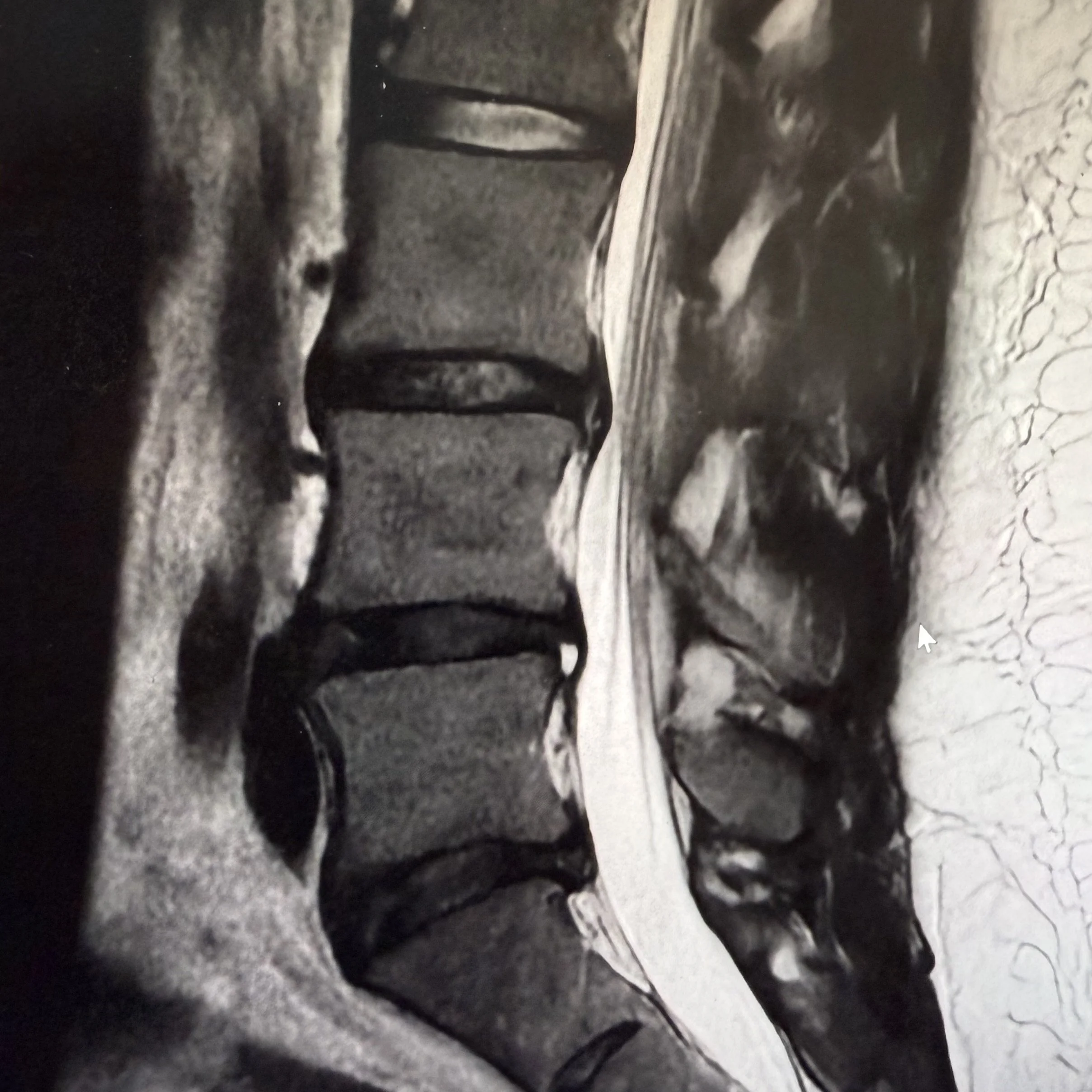
Disc herniations are more than just a diagnosis I treat. They're something I've experienced myself!
Several years ago, I was diagnosed with multiple lumbar disc herniations after injuring my low back during golf. Like many of my patients, reading the MRI report was intimidating. It's easy to assume the worst when you see words like "disc protrusion" written on a MRI report.
…and YES, this is my MRI of my lumbar spine from the injury!
Fortunately, I learned what the research consistently shows: an MRI does not determine your future.
Through a combination of chiropractic care, progressive rehabilitation, strength training, and patience, I was able to return to doing the activities I enjoy.
That experience changed the way I practice.
Today, when I work with patients who have disc herniations, my goal isn't simply to reduce their pain. It's to help them understand what's happening, reduce unnecessary fear, and build a clear path back to living an active life.
Myth vs. Fact
❌ Myth: "Once you have a disc herniation, your back will never be the same."
✅ Fact: Many people make an excellent recovery and return to lifting, running, golf, pickleball, and other sports. A disc herniation is a diagnosis, not a life sentence.
Conservative Treatment for Disc Herniations
For most people, the best place to start is with conservative treatment.
In fact, most clinical guidelines recommend beginning with non-surgical care unless there are significant neurological deficits or other serious medical concerns.
Conservative treatment focuses on reducing pain, restoring movement, and gradually helping you return to the activities you enjoy.
Treatment may include:
Chiropractic care
Therapeutic exercise
Progressive strength training
Walking programs
Soft tissue therapy
Activity modification
Education about pain and recovery
One of the biggest goals during recovery is to keep you moving without continually aggravating your symptoms. Complete rest is rarely the answer. Instead, treatment should progressively increase your tolerance to movement while allowing the injured tissues time to heal.
How Chiropractic Care Can Help
At Sidekick Chiropractic, we take an active approach to treating disc herniations.
Rather than focusing on a single treatment, we combine several evidence-based strategies to help you recover safely and return to the activities you enjoy.
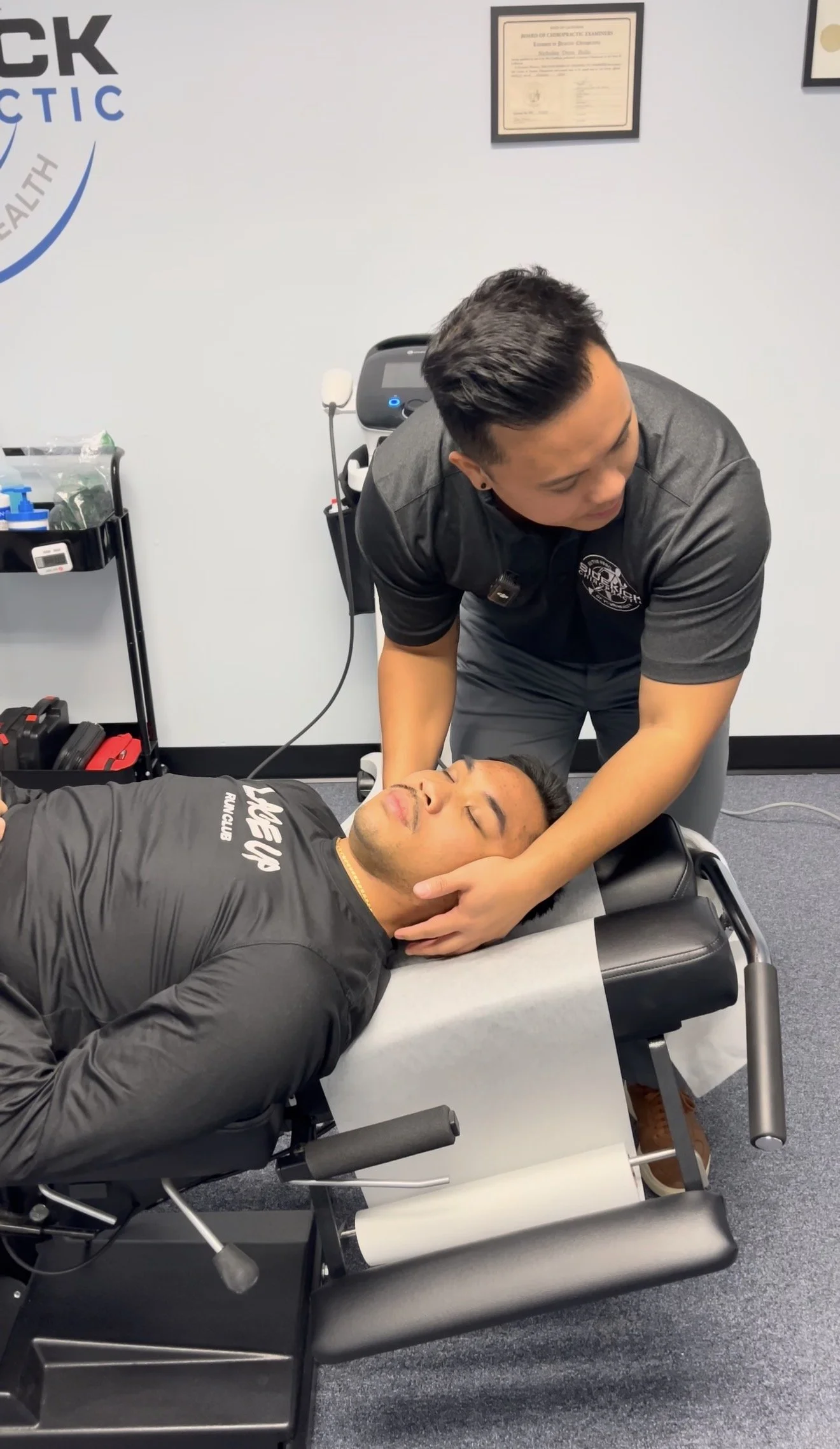
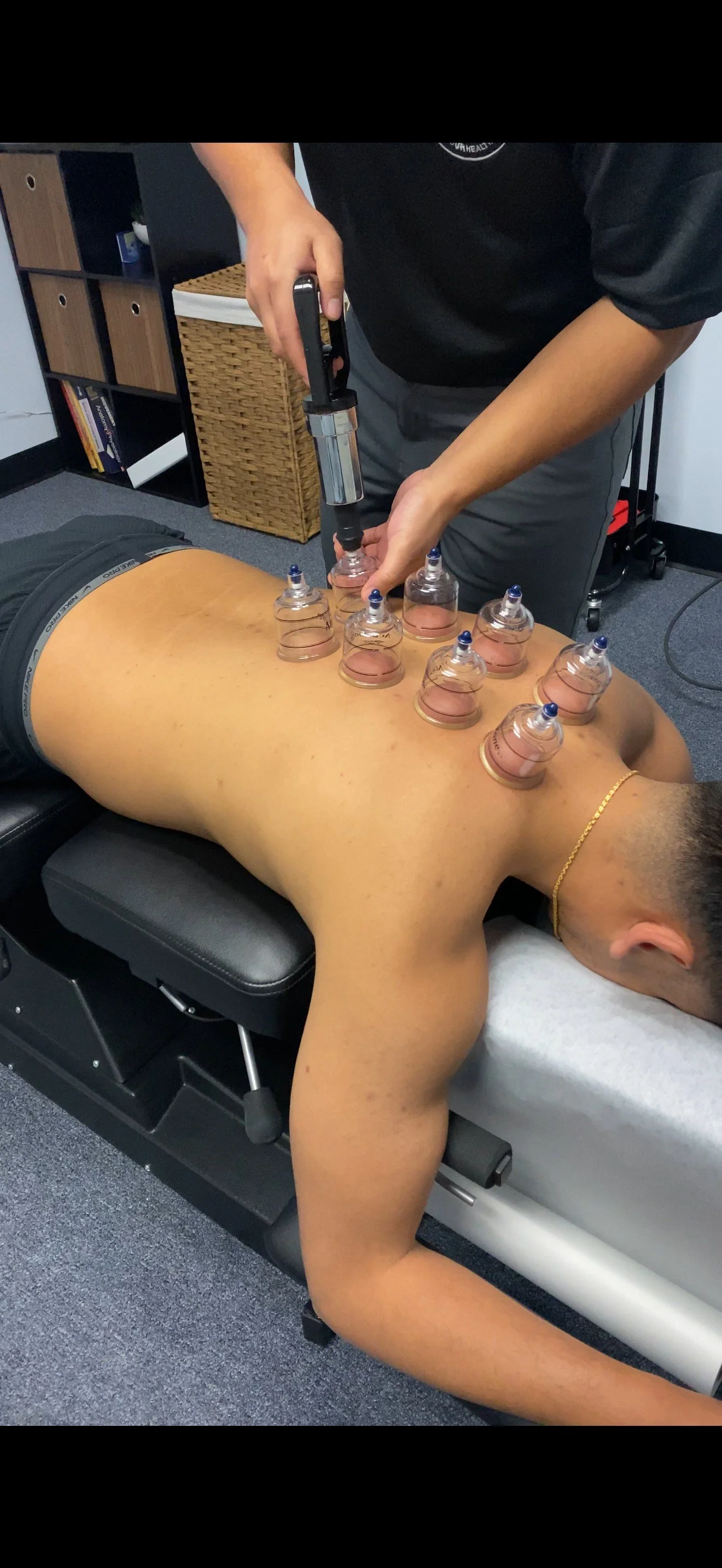
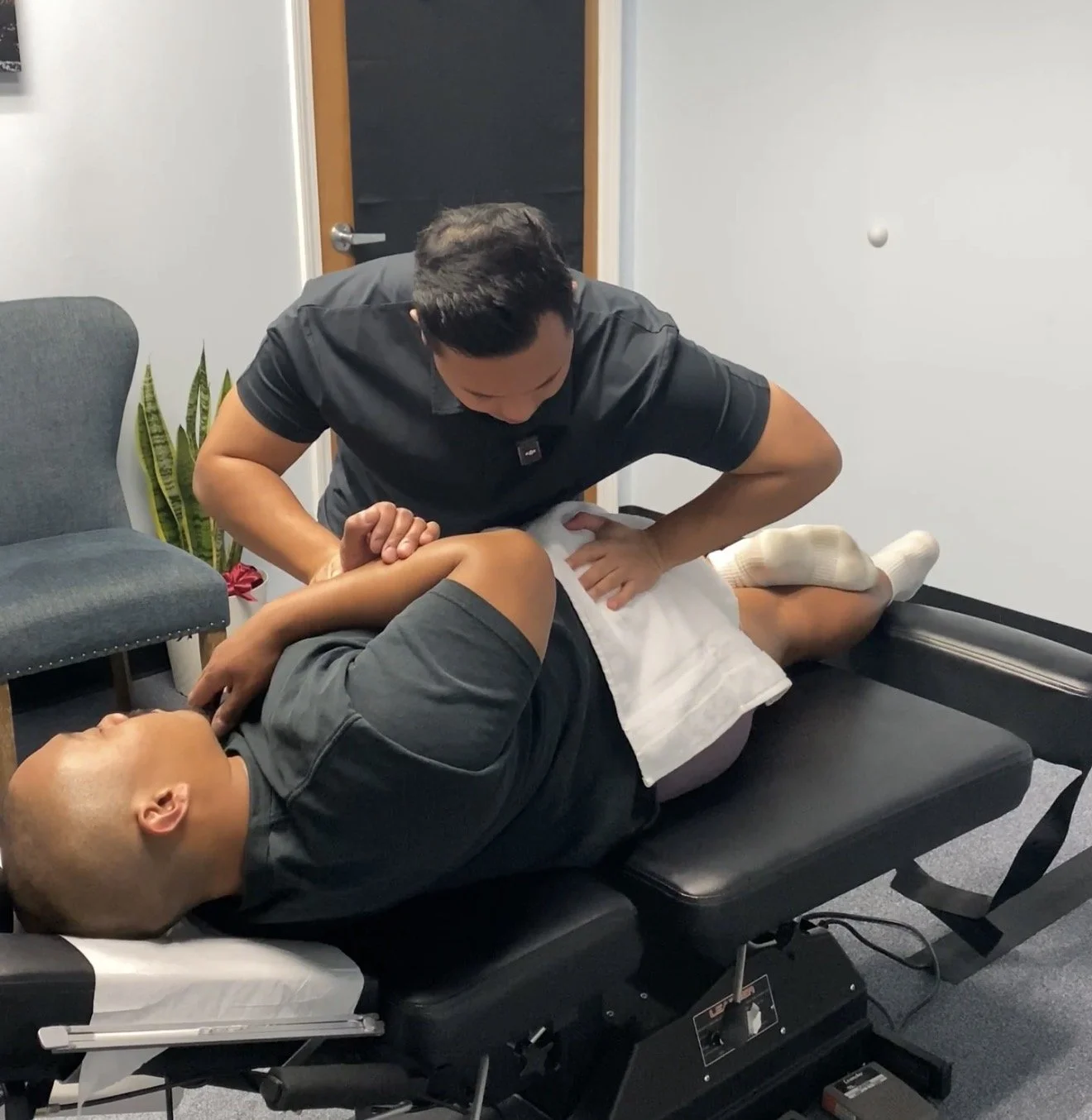
Depending on your examination findings, your treatment plan may include:
Chiropractic adjustments to improve spinal mobility
Soft tissue therapy to reduce muscle tension
Exercise rehabilitation to improve strength and stability
Movement retraining to restore confidence in everyday activities
Education to help you better understand your condition and recovery
It's important to understand that chiropractic adjustments do not "push a disc back into place."
Instead, the goal is to improve how the joints of the spine move, reduce mechanical stress on surrounding tissues, and create an environment that allows your body to heal while restoring your ability to move comfortably.
Every patient is different, which is why treatment should always be individualized rather than following a one-size-fits-all approach.
Don't Fear Movement
One of the biggest mistakes people make after being diagnosed with a disc herniation is avoiding movement altogether.
While it's normal to be cautious at first, avoiding activity for too long can lead to muscle weakness, stiffness, and decreased confidence in your body's ability to move.
Movement is medicine.
That doesn't mean pushing through severe pain or ignoring your symptoms. It means finding the right amount of movement at the right time.
For some people, that may be walking. For others, it may include specific rehabilitation exercises or a gradual return to strength training.
The goal isn't to avoid movement forever. The goal is to help you move well again.
Myth vs. Fact
❌ Myth: "A chiropractor can push my disc back into place."
✅ Fact: Disc herniations don't simply "pop back in." Chiropractic care doesn't reposition the disc. Instead, treatment focuses on improving spinal mobility, reducing pain, restoring function, and helping you safely return to normal activities while your body heals.
When Is Surgery Necessary?
One of the first questions many people ask after being diagnosed with a disc herniation is, "Will I need surgery?"
Fortunately, the answer for most people is no.
Research has consistently shown that many patients with disc herniations improve with conservative treatment alone. Surgery is typically reserved for specific situations where the benefits outweigh the risks.

Your healthcare provider may recommend a surgical consultation if you experience:
Progressive muscle weakness
Symptoms of cauda equina syndrome, such as loss of bowel or bladder control or numbness in the groin region
Severe pain that persists despite an appropriate course of conservative treatment
Significant neurological deficits that continue to worsen
The decision to have surgery should always be made after a thorough discussion with your healthcare team and based on your individual symptoms, goals, and quality of life.
When Should You Seek Immediate Medical Care?
Although most disc herniations are not medical emergencies, certain symptoms require immediate evaluation.
Seek emergency medical care right away if you experience:
Loss of bowel or bladder control
Numbness around the groin or inner thighs (saddle anesthesia)
Rapidly progressing weakness in one or both legs
Significant trauma followed by severe back pain
Fever, chills, or unexplained weight loss accompanied by severe back pain
These symptoms may indicate a more serious condition that requires urgent medical attention.
FAQ’s
Can I still lift weights with a disc herniation?
In many cases, yes. The key is modifying your training while your symptoms calm down and then gradually returning to heavier lifting through a structured rehabilitation program. Many people successfully return to strength training after a disc herniation.
Can I run with a disc herniation?
It depends on your symptoms. Some people tolerate running well, while others may need to temporarily reduce impact activities. A thorough evaluation can help determine when it's appropriate to return to running.
Should I stop exercising?
Generally, no. While certain movements may need to be modified, staying active is usually an important part of recovery. Your exercise program should be individualized based on your symptoms and goals.
How long does it take for a disc herniation to heal?
Recovery varies from person to person. Some people improve within a few weeks, while others take several months. Factors such as the size of the herniation, symptom severity, overall health, and adherence to a rehabilitation program can all influence recovery.
Can chiropractic care make a disc herniation worse?
When performed after an appropriate examination and with proper clinical judgment, chiropractic care is considered a safe treatment option for many people with disc herniations. Treatment should always be individualized, and not every technique is appropriate for every patient.
Final Thoughts
Being diagnosed with a disc herniation can feel overwhelming, but it doesn't have to define your future.
The good news is that most people recover successfully with conservative care and return to the activities they enjoy. Understanding your diagnosis, staying active when appropriate, and following a structured treatment plan can make a significant difference in your recovery.
Remember, your MRI is just one piece of the puzzle. Your symptoms, your physical examination, your goals, and your overall health are just as important when determining the best course of treatment.
At Sidekick Chiropractic, my goal is to help patients understand their condition, reduce unnecessary fear, and build a personalized plan that gets them back to living an active life. Whether you're hoping to return to lifting weights, running, golfing, or simply getting through your day without pain, we're here to help.
If you're experiencing back pain, leg pain, or have recently been diagnosed with a disc herniation, schedule a consultation today. Together, we'll determine the cause of your symptoms and create a treatment plan that's tailored to your goals.