
Neck Pain: Causes, Symptoms, Treatment, and When to See a Chiropractor
Have you ever woken up with a stiff neck that made it painful to turn your head?
Or maybe you've spent a long day at your computer only to notice an ache that starts at the base of your neck and creeps into your shoulders.
You're not alone.
Neck pain is one of the most common musculoskeletal conditions, affecting people of all ages and activity levels. Whether you're an office worker, a student, a parent chasing after kids, or an athlete, neck pain can interfere with your ability to work, sleep, exercise, and enjoy everyday life.
The good news is that most cases of neck pain improve with conservative treatment and do not require surgery.
Understanding what's causing your symptoms is the first step toward finding the right treatment and preventing the pain from coming back.
In this article, we'll discuss the most common causes of neck pain, treatment options, when chiropractic care may help, and when it's important to seek medical attention.
What Causes Neck Pain?
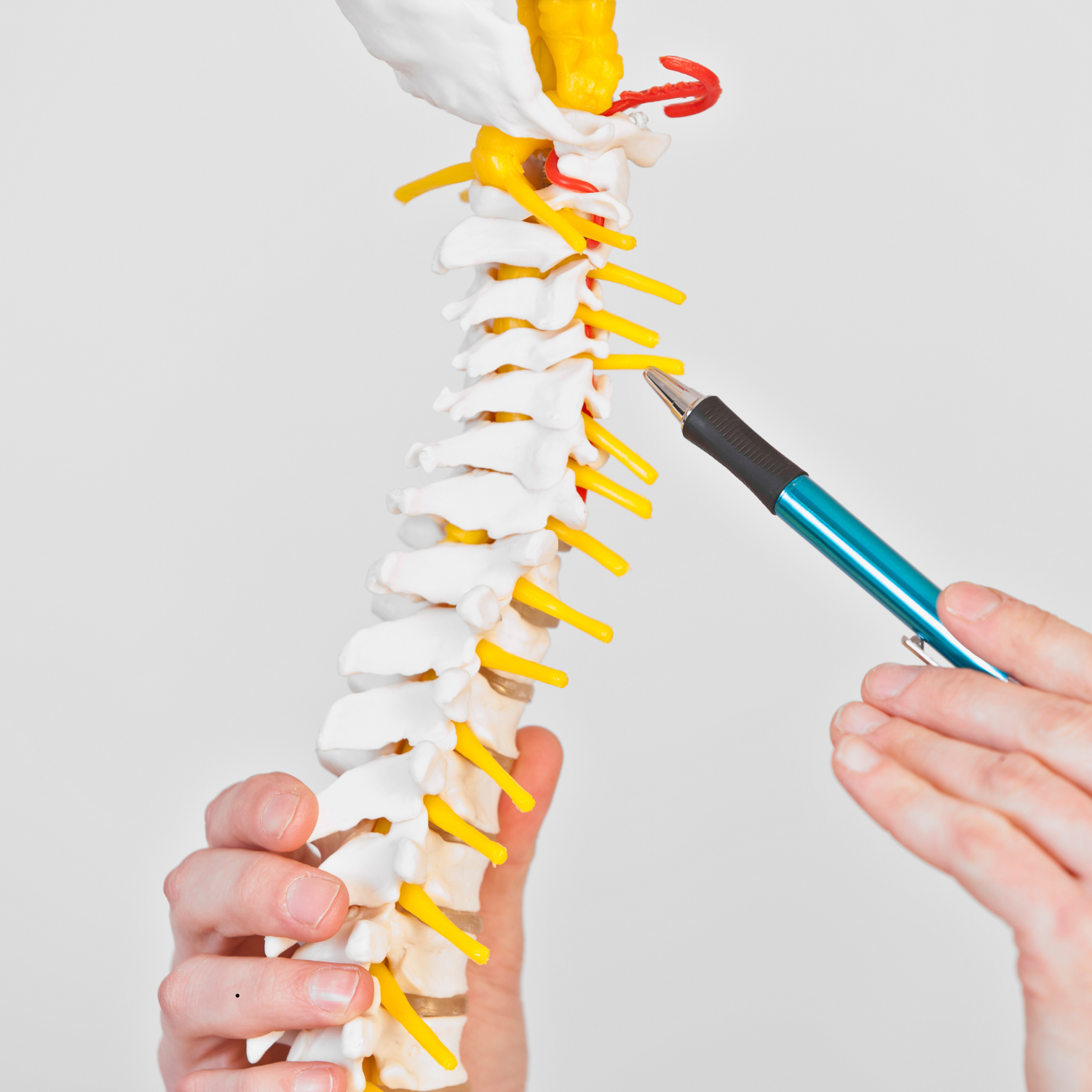
Your neck, also known as the cervical spine, is made up of seven vertebrae, intervertebral discs, joints, muscles, ligaments, nerves, and tendons that all work together to support your head while allowing you to move freely.
Because the neck is designed for mobility, it's also more susceptible to irritation and injury.
Some of the most common causes of neck pain include:
Muscle Strains
Muscle strains can develop after repetitive activities, prolonged positions, or sudden increases in physical activity. They often cause soreness, stiffness, and tenderness that may improve with movement.
Joint Irritation
The small joints in the cervical spine help guide movement. These joints can become irritated due to repetitive loading, prolonged postures, or normal age-related changes, leading to localized neck pain and stiffness.
Disc Herniations
Just like the lower back, the discs in your neck can develop protrusions, extrusions, or sequestrations. When a disc herniation irritates a nearby nerve root, symptoms may travel into the shoulder, arm, or hand.
Cervical Radiculopathy
Cervical radiculopathy occurs when a nerve root in the neck becomes irritated or compressed. Depending on which nerve is involved, symptoms may include pain, numbness, tingling, or weakness that extends into the arm.
Whiplash Injuries
Motor vehicle accidents, contact sports, or sudden falls can cause rapid acceleration and deceleration of the neck, leading to injuries involving muscles, ligaments, joints, and other soft tissues.
Osteoarthritis
As we age, the joints and discs of the cervical spine naturally change over time. While these changes are common, they don't always cause pain. Many people with arthritis visible on imaging have little to no symptoms.

Myth vs. Fact
❌ Myth: "My poor posture is the reason my neck hurts."
✅ Fact: Posture can influence how your neck feels, but it's rarely the sole cause of neck pain. Research suggests that staying in one position for long periods is often more important than whether your posture is "perfect." Regular movement throughout the day is one of the best ways to reduce stiffness and improve comfort.
Common Symptoms of Neck Pain
Neck pain doesn't look the same for everyone. Your symptoms depend on which tissues are involved and whether nearby nerves are irritated.
Common symptoms include:
Pain when turning your head
Neck stiffness
Muscle tightness
Pain between the shoulder blades
Pain that travels into the shoulder or arm
Numbness or tingling in the arm or hand
Headaches that begin at the base of the skull
Difficulty looking over your shoulder while driving
Some people experience only localized neck pain, while others notice symptoms extending into the upper back, shoulders, or arms. A thorough examination can help determine where your symptoms are coming from and guide the most appropriate treatment plan.
Is "Tech Neck" Real?
You've probably heard the term "tech neck." It's often used to describe neck pain caused by looking down at a phone, tablet, or computer for long periods.
While the name has become popular, the reality is a little more nuanced.

Looking down at your phone isn't inherently harmful, nor is there strong evidence that using technology permanently damages your spine. Your neck is designed to move, bend, and adapt to the demands you place on it.
The bigger issue is how long you stay in one position.
Whether you're looking at a phone, sitting at a computer, driving, or even reading a book, remaining in the same posture for hours at a time can increase muscle fatigue and joint stiffness. Over time, this may contribute to discomfort.
The solution isn't trying to maintain "perfect posture" all day. Instead, focus on regular movement.
Simple habits like standing up every 30 to 60 minutes, changing positions throughout the day, and strengthening the muscles that support your neck and upper back can make a significant difference.
Your body is remarkably adaptable. It thrives on movement, not perfection.
Why Does Neck Pain Cause Headaches?
Many people are surprised to learn that neck problems can contribute to headaches.
The joints, muscles, and nerves of the upper cervical spine share connections with the same areas of the brain that process pain from the head. When these tissues become irritated, the pain may be referred to the back of the head, temples, or behind the eyes.
These are known as cervicogenic headaches.

Common features of cervicogenic headaches include:
Pain that starts in the neck or base of the skull
Headaches that worsen with certain neck movements
Reduced neck mobility
Pain that is typically felt on one side, although it can occur on both sides
It's important to note that not every headache originates from the neck. Migraines, tension-type headaches, and other headache disorders have different causes and require different treatment approaches.
A thorough examination can help determine whether your neck is contributing to your symptoms.
From Dr. Bullo
One of the biggest misconceptions I hear from patients is that they need an MRI as soon as neck pain starts.
In reality, most episodes of neck pain improve with conservative care and don't require advanced imaging. In many cases, a detailed history and physical examination provide far more useful information than an MRI alone.
My goal is always to identify why your neck hurts, not just where it hurts.
Sometimes the problem is coming from a stiff joint. Other times it's a muscular issue, a disc herniation, or an irritated nerve. The treatment plan should be based on the underlying cause, not simply the location of your pain.
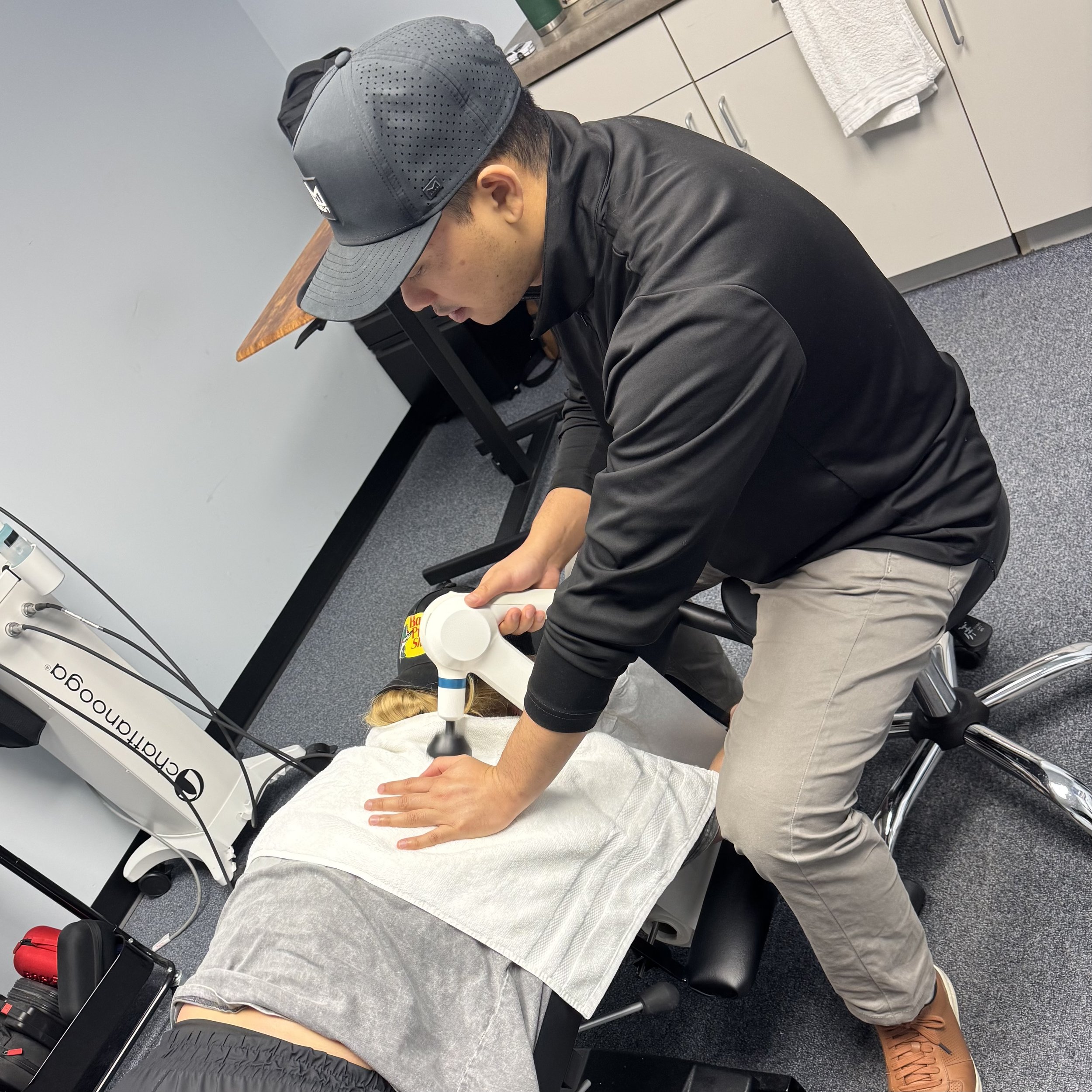
I don't believe in giving every patient the same adjustment and sending them on their way. My goal is to understand what's driving your symptoms and build a treatment plan that's specific to your needs and goals.
- Dr. Bullo
Treatment Options for Neck Pain
The best treatment for neck pain depends on the underlying cause of your symptoms. Fortunately, most cases respond well to conservative care and improve without the need for surgery.
Treatment may include:
Activity modification
Chiropractic care
Therapeutic exercise
Progressive strength training
Soft tissue therapy
Ergonomic modifications
Over-the-counter medications, when appropriate
Physical therapy
The goal isn't simply to reduce pain. It's to restore normal movement, improve strength, and help you return to your daily activities with confidence.
How Chiropractic Care Can Help
Chiropractic care is one of several conservative treatment options for neck pain and may be beneficial for improving mobility, reducing pain, and restoring function.
At Sidekick Chiropractic, treatment is never limited to a quick adjustment.
Every patient receives a thorough evaluation to determine the most likely source of their symptoms before treatment begins.
Depending on your examination findings, your treatment plan may include:
Chiropractic adjustments to improve joint mobility
Soft tissue therapy to reduce muscle tension
Mobility exercises to restore normal movement
Strengthening exercises to improve long-term stability
Education to help you understand your condition and recovery
The goal isn't to provide temporary relief. It's to help you address the underlying factors contributing to your pain and give you the tools to reduce the likelihood of it returning.
Myth vs. Fact
❌ Myth: "My neck is out of alignment."
✅ Fact: Neck pain is rarely caused by a bone being "out of place." More often, symptoms are influenced by a combination of joint stiffness, muscle tension, irritated nerves, movement habits, and lifestyle factors. Effective treatment focuses on improving function, not simply "putting bones back into place."
Don't Fear Movement
When your neck hurts, it's natural to avoid moving it.
Unfortunately, avoiding movement for too long can actually make recovery more difficult.
The muscles surrounding your neck may become weaker, your joints may become stiffer, and everyday movements can begin to feel more uncomfortable.
While it's important to avoid activities that significantly worsen your symptoms, gentle movement is often one of the best things you can do.
Walking, changing positions throughout the day, and performing appropriate mobility or strengthening exercises can help restore confidence in your neck while reducing stiffness.
Remember, the goal isn't to find the perfect posture or avoid movement altogether.
The goal is to help your neck become stronger, more resilient, and capable of handling the demands of everyday life.
Exercises That May Help Neck Pain
The right exercises depend on the cause of your neck pain, but many people benefit from a combination of mobility and strengthening exercises.
Some commonly prescribed exercises include:
Chin tucks to improve deep neck flexor endurance
Thoracic spine mobility exercises
Scapular strengthening exercises
Gentle neck range-of-motion exercises
Resistance band rows
Walking and regular movement breaks throughout the day
A healthcare professional can help determine which exercises are appropriate for your specific condition and which movements should be modified during recovery.
Myth vs. Fact
❌ Myth: "I need to crack my neck every day."
✅ Fact: While some people experience temporary relief from self-manipulating their neck, repeatedly cracking your own neck doesn't address the underlying cause of your symptoms. A comprehensive treatment plan that includes mobility, strengthening, and education is more likely to provide lasting results.
When Should You See a Chiropractor for Neck Pain?
Not every episode of neck pain requires professional treatment. Many cases improve within a few days with relative rest, regular movement, and activity modification.
However, it's a good idea to schedule an evaluation if your neck pain:
Lasts longer than one to two weeks
Continues to come back
Limits your ability to work, exercise, or sleep
Is accompanied by pain traveling into the shoulder or arm
Causes numbness, tingling, or weakness
Began after an injury, such as a car accident or fall
The sooner the underlying cause is identified, the sooner an appropriate treatment plan can begin.
Remember, neck pain isn't a diagnosis. It's a symptom. A thorough examination can help determine what's causing your pain and the best way to address it.
When Should You Seek Immediate Medical Care?
Although most neck pain is not a medical emergency, certain symptoms should never be ignored.
Seek immediate medical attention if you experience:
Significant trauma followed by severe neck pain
Progressive weakness in your arm or hand
Difficulty walking, maintaining balance, or coordinating your movements
Loss of bowel or bladder control
Fever, chills, or unexplained weight loss accompanied by severe neck pain
Severe neck pain with numbness or weakness affecting both arms or both legs
These symptoms may indicate a more serious condition requiring urgent medical evaluation.
FAQ’s
Should I crack my own neck?
While self-manipulating your neck may provide temporary relief, it doesn't address the underlying cause of your symptoms. If you find yourself needing to crack your neck throughout the day, it's worth having it evaluated to determine why.
Do I need an MRI for neck pain?
Not usually. Most cases of neck pain can be diagnosed through a detailed history and physical examination. Imaging is typically reserved for cases involving significant trauma, persistent neurological symptoms, or when more serious conditions are suspected.
Is it safe to exercise with neck pain?
In many cases, yes. Staying active is often an important part of recovery, although certain exercises or movements may need to be modified temporarily. Your treatment plan should be based on your specific diagnosis and symptoms.
How long does neck pain take to improve?
Recovery varies depending on the cause of your symptoms. Some people improve within a few days, while others may require several weeks of treatment and rehabilitation. Most people experience significant improvement with an appropriate conservative treatment plan.
Final Thoughts
Neck pain is one of the most common musculoskeletal conditions, but it doesn't have to become a long-term problem.
Whether your symptoms are caused by muscle strain, joint irritation, an irritated nerve, or another condition, identifying the underlying cause is the first step toward recovery. Most people improve with conservative care that combines education, movement, and a progressive rehabilitation plan.
At Sidekick Chiropractic, we believe treatment should be more than temporary pain relief. Our goal is to help you understand why your neck hurts, restore healthy movement, and build the strength and confidence needed to keep doing the activities you enjoy.
If you're struggling with neck pain that's limiting your work, workouts, or everyday life, we'd be happy to help. Schedule an evaluation today, and together we'll create a personalized treatment plan to get you moving comfortably again.